
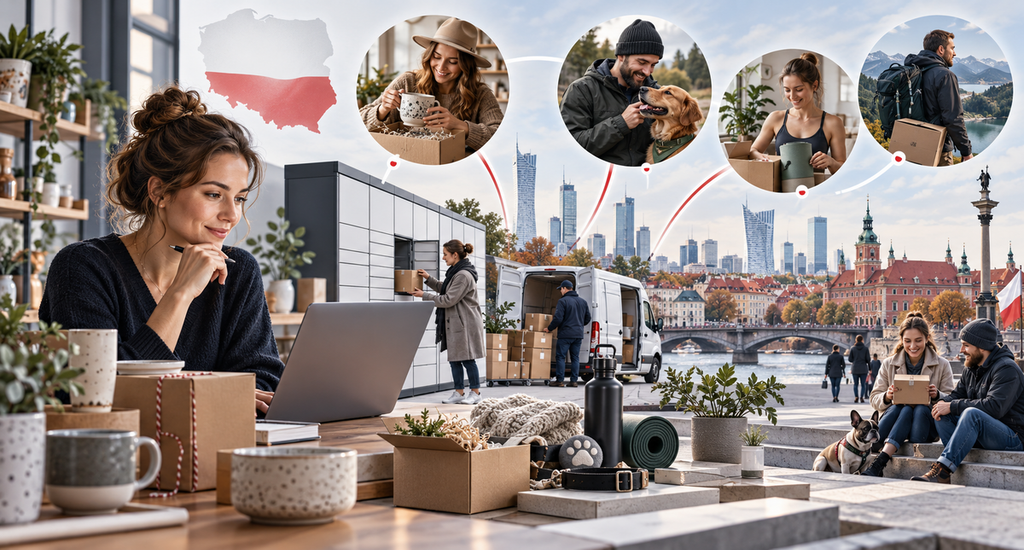
Poland’s e-commerce sector has matured at remarkable speed, transforming from a peripheral sales channel into one of the country’s most powerful engines of consumer activity. What began two decades ago with early online bookstores and auction sites is now a multibillion-euro ecosystem shaped by sophisticated logistics, mobile-first shoppers and a new generation of digital entrepreneurs. Yet despite the dominance of major platforms like Allegro and Zalando, the next wave of growth is increasingly coming from niche positioning, brands that focus narrowly, tell compelling stories and serve communities with unmet needs.
This expanded analysis examines how Poland’s digital marketplace is evolving, where untapped opportunities exist, and how both foreign entrants and domestic founders can build differentiated e-commerce businesses that resonate with increasingly discerning consumers.
A Market Ready for Specialization
Poland’s e-commerce environment thrives on several structural advantages. The country of roughly 38 million sits at the crossroads of European trade routes and has seamless access to the broader EU market of 448 million consumers. This geographic advantage is amplified by the strength of Polish logistics:
- Polish carriers handle around 20% of EU road freight, supported by more than 45,600 licensed transport companies and over 300,000 trucks.
- The deep-water Port of Gdańsk handled 2.2 million TEUs in 2024, making it a major entry point for containerized goods.
- Extensive distribution centers, including Amazon’s and Zalando’s regional hubs, speed up domestic and cross-border fulfilment.
Consumers, meanwhile, are digitally engaged and comfortable buying online. Smartphone penetration is high, price comparison engines influence purchase decisions, and younger shoppers favor convenience and fast delivery. Despite inflationary pressures, peaking at 14.43% in 2022 before easing to 3.78% in 2024, Poland’s online retail sector continues to expand as consumers mix value-seeking behavior with selective premium purchases.
However, mainstream platforms are saturated. Competing on price alone is becoming futile. This is where niche segmentation becomes essential: Polish shoppers increasingly reward authenticity, sustainable sourcing, personalized experiences and specialized products that solve specific problems.
Where the Growth Is: Poland’s Emerging Niche Categories
While mass-market players control high-volume categories such as electronics, fashion basics and household goods, numerous niche arenas are underserved or growing faster than the general market. Several stand out:
1. Health, Wellness and Eco-Friendly Goods
Polish consumers are placing greater emphasis on wellbeing, natural ingredients and ethical production. Demand is rising for:
- Organic groceries and farm-to-table products.
- Vegan and cruelty-free cosmetics.
- Eco-friendly detergents and home goods.
- Supplements, functional foods and herbal remedies.
Domestic manufacturers excel in natural cosmetics, but the supply of premium organic foods and specialized wellness supplements still lags demand. Consumers are willing to pay more if brands are transparent and environmentally conscious.
2. Craft, Artisan and Local Heritage Products
Poland has a strong tradition of craftsmanship with regional ceramics, amber jewelry, artisanal spirits, locally roasted coffee and handmade textiles. These goods appeal not only to locals but also to:
- Polish diaspora abroad.
- Tourists seeking mementos.
- Young urban buyers craving authenticity.
Because mass-manufactured goods dominate retail shelves, authentic handmade products stand out online, especially when accompanied by strong storytelling.
3. Premium Pet Supplies
Pet ownership continues to rise, and households increasingly treat pets as family members. This drives growing demand for:
- Grain-free, organic and specialty pet foods.
- Grooming products.
- Smart pet accessories.
- Subscription boxes tailored to dogs or cats.
The category remains fragmented, ideal for new entrants who emphasize quality and trust.
4. Inclusive and Specialist Fashion
Fast fashion dominates the mainstream, but niche apparel remains underrepresented. High-potential areas include:
- Plus-size fashion with modern cuts.
- Adaptive clothing for people with disabilities.
- Ethical or zero-waste fashion lines.
- Custom and made-to-measure tailoring.
Consumers appreciate brands that cater to identity, comfort and self-expression.
5. Digital Services, Education and Subscription Products
Poland’s strong educational base creates fertile ground for digital-first offerings, such as:
- Online courses in business, language learning and technical skills.
- Digital fitness programs.
- Personalized finance coaching.
- Software subscriptions for specialized professions.
These categories require lower logistical investments and scale efficiently.
6. Curated Subscription Boxes
Subscription commerce is growing quickly, driven by the desire for convenience, novelty and curation. Successful niches include:
- Gourmet Polish snacks.
- Children’s STEM toys.
- Skincare discovery boxes.
- Literature or book-club boxes.
Strong retention depends on personalization and community-building.
Across all these niches, the winners will be companies that combine creativity with operational excellence, offering not just products but experiences and identity.
Navigating Challenges: What Makes Niche Success Difficult?
While niche markets offer strong upside, they also demand discipline and strategic clarity. Major obstacles include:
1. Supply Constraints
Craft and organic producers often operate in small batches. Scaling must be planned carefully to avoid stock-outs or inconsistent quality.
2. Competition From Imported Goods
Chinese and Western European sellers compete aggressively on price. Differentiation must come from brand story, local production, sustainability or superior service.
3. Regulatory Compliance
EU consumer protection, return policies and strict GDPR rules apply to all online sellers. Categories like supplements, cosmetics or food require additional certifications and labelling compliance.
4. Customer Trust and Loyalty
Polish shoppers are value-conscious and often cautious with unfamiliar brands. Transparent shipping policies, recognizable payment methods (especially quick bank transfers and pay-on-delivery), and responsive support teams are essential.
5. Marketing Noise
The shift from brick-and-mortar to online retail means advertising costs are rising. Successful niche brands rely not just on paid ads, but also on organic social media, influencers and community engagement.
Partnering and Strategies: Building a Niche Brand That Resonates
Whether you’re a foreign entrant or a domestic start-up, the path to success in niche e-commerce begins with deep insight and customer empathy. A strong strategy should include:
1. Rigorous Research and Validation
Good niche selection starts with data:
- Keyword analysis reveals demand patterns.
- Social listening surfaces consumer frustrations and desires.
- Competitor audits expose gaps in positioning.
- Limited test launches validate real-world willingness to pay.
Avoid assuming that Western trends translate automatically. Local tastes differ.
2. Storytelling and Brand Identity
Polish consumers are increasingly drawn to brands with meaning. Communicate:
- Who makes your product.
- How it’s sourced.
- Why it matters.
- What values you stand for.
Photography, packaging and website design must reflect this identity.
3. Mobile-First Optimization
With mobile commerce dominating, frictionless design is essential:
- Fast-loading pages.
- One-click checkouts.
- Trusted payment methods (BLIK, bank transfers, cash on delivery).
- Clear return processes.
Shoppers abandon carts quickly when mobile UX is poor.
4. High-Quality Fulfilment and Logistics
Reliable delivery is a competitive advantage. Consider:
- Same-day or next-day shipping in major cities.
- Partnerships with specialized couriers.
- Eco-friendly packaging options.
- Easy returns via parcel lockers.
Poland’s network of InPost parcel lockers is especially popular with urban shoppers.
5. Social Media and Influencer Activation
Niche brands thrive when communities adopt them. Collaborate with:
- Micro-influencers with strong trust.
- Review platforms and niche bloggers.
- TikTok creators who resonate with Gen Z.
Authenticity beats polished corporate messaging.
6. Subscription or Membership Models
Where relevant, recurring purchases deepen loyalty and smooth cash flow. Consider offering:
- Exclusive discounts.
- Loyalty points.
- Early access to new items.
- Member-only online events.
7. Price and Inventory Strategy
Monitor Poland’s macroeconomic signals, including inflation, GDP growth and consumer confidence, to adjust:
- Pricing tiers.
- Bundle offers.
- Stock levels.
- Promotional timing.
Dynamic analytics help avoid both overstock and supply shortages.
How Expand2Poland Can Help
Expand2Poland specializes in helping brands carve out defensible, high-performing positions within Poland’s fast-moving e-commerce landscape. Our partner network can help with:
- Deep-dive market research and niche identification
- Competitive landscape and pricing analysis
- Localization of product, packaging and brand messaging
- Influencer and digital marketing strategy development
- Introductions to certified suppliers and logistics partners
- Compliance guidance for EU consumer and data-privacy rules
- Ongoing performance monitoring and scaling support
With our insights and network, your e-commerce business can enter Poland with precision, and grow sustainably in a market hungry for specialized, story-driven brands.
The information provided in this article is for general informational and educational purposes only and does not constitute legal, financial, or tax advise