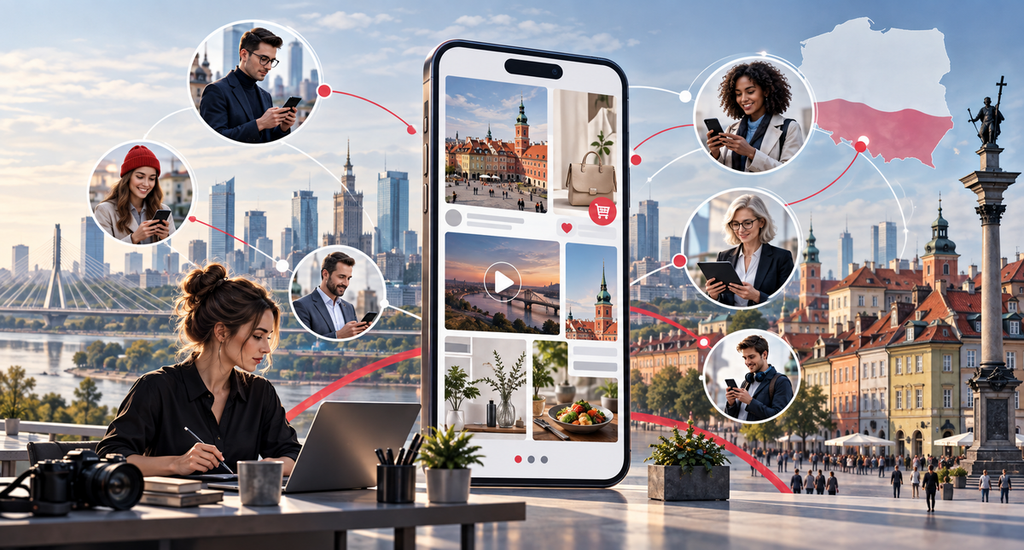
Social media has become one of the most powerful channels for reaching Polish consumers. From global platforms with massive reach to smaller communities with niche audiences, users share experiences, discover products, and connect with brands daily. For companies entering or expanding in Poland, keeping pace with platform popularity, user demographics, and behavioral shifts is essential. Smart allocation of marketing budgets and tailored content strategies can yield strong brand awareness and measurable sales.
This article maps out the current social media ecosystem in Poland, highlights opportunities and risks, and provides actionable strategies for businesses seeking to engage Polish audiences effectively.
Market Landscape
Global Platforms with Local Adoption
Poland’s social media landscape largely mirrors global trends but retains a distinctive flavor.
- Facebook remains widely used, particularly among older demographics and families. Beyond personal connections, Facebook groups serve as hubs for local communities, hobbyists, and consumer exchange. For brands, these groups can be an effective forum for hyper-local engagement.
- Instagram has become central for lifestyle and retail sectors. Younger users engage with visual storytelling through Stories, Reels, and influencer content. Polish fashion brands, fitness coaches, and food bloggers rely heavily on Instagram to shape consumer trends.
- TikTok is the rising star among Gen Z and younger millennials. Its short-form video format fuels viral campaigns, music promotion, and creative product placement. For sectors like cosmetics, gaming, and fast-moving consumer goods, TikTok has become indispensable.
- YouTube serves dual roles: an entertainment platform and a search engine. Tutorials, unboxing videos, and product reviews are popular, giving brands opportunities to educate and influence. Polish YouTubers with millions of subscribers wield significant influence over consumer behavior.
- LinkedIn has grown rapidly as Poland’s economy integrates further into global markets. Professionals use it for networking, recruitment, and thought leadership. B2B firms, consulting companies, and IT service providers rely on LinkedIn campaigns to generate leads and attract talent.
Local and Legacy Platforms
- Nasza-Klasa (NK), once dominant in Poland, has largely disappeared, a reminder that platforms can quickly lose relevance.
- Messaging apps such as WhatsApp, Messenger, and Telegram are widely used for personal and professional communication. Increasingly, brands deploy them for customer service, order confirmation, and direct marketing.
Social Commerce and Regulation
Social commerce is expanding in Poland, with shoppable posts, influencer storefronts, and in-app checkout gaining traction. At the same time, platforms are subject to GDPR compliance, advertising disclosure rules, and algorithmic scrutiny. Marketers must adjust as regulations evolve and platform algorithms shift, impacting organic reach and ad targeting.
Community Forums and Niche Groups
Poland also maintains a vibrant network of online forums and interest groups. Platforms dedicated to parenting, automotive enthusiasts, or gaming offer concentrated audiences. For specialised products, these communities often deliver higher engagement than mass-market platforms.
Opportunities and Challenges
Key Opportunities
- Cost-Effective Brand Building – Social media enables storytelling and brand visibility at a fraction of traditional advertising costs.
- Community Engagement – Direct dialogue with customers fosters loyalty and trust.
- User-Generated Content – Encouraging customers to share experiences adds authenticity.
- Influencer Partnerships – Collaboration with trusted voices accelerates reach. Poland’s influencer market spans micro-influencers with niche communities to celebrities with national followings.
- Sophisticated Targeting – Platforms allow segmentation by interests, demographics, and behavior.
- Diverse Formats – Sponsored posts, ephemeral Stories, and live streams expand creative possibilities.
- Social Commerce – Integration of shopping into social apps accelerates conversion.
Major Challenges
- Platform Saturation – Competition for attention is fierce; standing out requires consistent quality.
- Declining Organic Reach – Algorithm changes force brands to rely more on paid promotions.
- Regulatory Compliance – GDPR and influencer disclosure rules impose obligations.
- Crisis Management – Negative feedback can spread quickly; brands must respond transparently.
- Content Fatigue – Audiences disengage from repetitive or overtly promotional content.
- Measurement Complexity – Different platforms use different metrics, complicating ROI assessment.
Partnering and Strategies
1. Audience Analysis
Begin by identifying which platforms your target customers frequent. For example:
- A fashion retailer may prioritise Instagram and TikTok.
- A B2B consultancy should focus on LinkedIn and YouTube.
- A food brand might benefit from Facebook groups and influencer collaborations.
2. Content Strategy
Develop a content calendar balancing promotional, educational, and entertaining posts. Effective themes include:
- Behind-the-scenes production stories.
- Customer testimonials and case studies.
- Interactive polls, quizzes, and contests.
- Educational tutorials or product demos.
3. Engagement and Community Building
- Respond promptly to comments and private messages.
- Create branded groups or communities for loyal customers.
- Highlight user-generated content to encourage participation.
4. Influencer Collaboration
- Partner with micro-influencers for authenticity.
- Use macro-influencers for broader campaigns.
- Ensure contracts comply with disclosure rules and expectations around exclusivity.
5. Paid Campaigns
- Invest in A/B testing of creatives and messaging.
- Leverage retargeting ads to convert website visitors.
- Track metrics such as engagement rate, click-through rate, and sentiment analysis.
6. Social Commerce Integration
Experiment with shoppable posts, livestream selling, and influencer storefronts. Ensure logistics and customer service can support online sales growth.
7. Compliance and Privacy
- Secure explicit consent for data collection.
- Be transparent in sponsored collaborations.
- Maintain GDPR-compliant systems for storing customer data.
8. Continuous Innovation
Platforms evolve quickly. Brands should:
- Stay updated on new features (e.g., TikTok Shops, Instagram Reels Ads).
- Experiment with emerging formats like AR filters or AI-generated content.
- Reassess strategies quarterly based on analytics.
Case Study: Effective Polish Social Media Campaigns
Several examples illustrate how brands adapt to the Polish market:
- A grocery chain launched shoppable Facebook ads with localised recipes, boosting online orders.
- A tech start-up partnered with TikTok influencers for a gamified product launch, generating viral engagement.
- A bank used YouTube tutorials and LinkedIn thought leadership posts to build trust around digital banking services.
These cases underline the importance of localization and platform-specific strategies rather than a one-size-fits-all approach.
The Future Outlook
Poland’s social media landscape will continue to evolve in line with global trends while retaining national characteristics:
- Video dominance will grow, with TikTok and YouTube leading.
- AI-powered targeting will refine advertising but face regulatory scrutiny.
- Authenticity and trust will be paramount as consumers grow wary of traditional advertising.
- Community commerce shopping embedded in social groups will expand.
- Cross-platform integration will matter as users migrate between platforms.
Marketers who invest in data analytics, creative storytelling, and community building will be best positioned to thrive.
How Expand2Poland Can Help
Expand2Poland’s marketing specialists provide hands-on support in navigating Poland’s complex social media environment. We can help with:
- Identifying the most effective platforms for your target audience.
- Crafting compelling, localized content tailored to Polish consumer behavior.
- Managing influencer collaborations and ensuring compliance with disclosure rules.
- Running paid campaigns with precise targeting and ROI optimization.
- Monitoring metrics and adjusting strategies to keep pace with platform changes.
By combining local expertise with global best practices, we ensure your brand resonates with Polish consumers and converts engagement into measurable business growth.
The information provided in this article is for general informational and educational purposes only and does not constitute legal, financial, or tax advise.